← All resources

How To Reach and Plant in Regional and Rural Australia

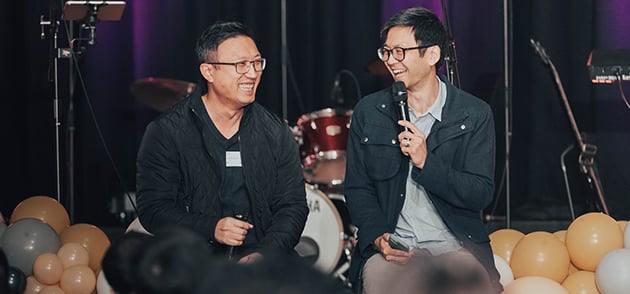
Geneva Push’ Derek Hanna interviews Bruce Bennett from Orange Evangelical Church, and Ross Pethybridge from Dalby Presbyterian Church on the distinctives and roadblocks for planting in a country location, as well as the evangelistic techniques they’ve found to be most helpful.


Transcript

This transcript has been generated, and can contain errors. Please refer to the original recording for the definitive language used.

Read transcript

[0:11]
well good morning and welcome to our latest webinar for the year as we kick off our planner session series looking at the topic of how to reach and to plan in regional Australia it's great to have you with us whether wherever you happen to be joining us around Australia thank you for taking the time to tune in this morning if I haven't had the chance to meet you before my name's Gus McCullough and my job this morning is to get out of the way as quickly as possible I'm going to hand you over to Derek Anna who is the director of training at Geneva push and he's going to let you know about our panelists this morning which are Bruce

[0:42]
Bennett from Orange evangelical church as well as Ross petit bridge from Gabi Presbyterian Church before I do that there's just a couple of housekeeping matters to let you know about so the first thing to let you know about is that this morning's webinar is interactive as well so we've got live free and interactive we want you to be able to get the most out of this morning and so use that panel on the right-hand side to be able to ask your questions to our panelists you can send them up those through on that toolbar and they'll get delivered through to Derek for him to be able to ask the panelists the question as they come through the second thing is

[1:13]
just to let you know about our sponsors EA insurance we're really thankful for their partnership with us for these planta session webinars if you haven't sorted out your insurance needs for your church make sure you do chat to ea insurance you can jump on their website after the webinar has finished well that's it for me I'm going to hand over to Derek now he's going to introduce you further to Ross and debruce and to let you know a little bit more about the structure of what we've got sorted for this morning's webinar we hope that you enjoy and I'll be in touch to this with initiatives we want to see churches

[1:44]
learn throughout Australia in the city and in the country when I see churches strengthened in the city and the country and so this morning our hope is to explore with Bruce and Ross those who are doing work in the country in rural areas discover the roadblocks that they've faced how to reach people in those areas the uniqueness and the distinctives of actually being able to do that and how to navigate through that I will have a time after we introduce from here a few of their thoughts as well were you can answer asked questions

[2:14]
as Gus said so you can throw them on the right-hand side of your screen okay prompting you to do it we've got two question resending before him but as we can see Ross and Bruce have appeared on screen great w morning gentlemen today whirring hi it's good thanks for giving up Thomas morning to caucus do when you hear me say that 90 percent of people living in urban areas in Australia and it does that feel like do you feel like Dolby and oranga classified as rural areas or do you feel like they're moving into the urban with

[2:46]
the population now orange is a big regional center and because we've got big health a bit of government we've got a lot of professionals so there's better I always thought of oranges the sort of the most urban sort of place west of the Blue Mountains and so yeah so we're not quite as kicking backwards as you might think it is plenty of tight jeans and

[3:18]
we're hoping you know Randy but we do to have a triple loop there 40,000 yeah yeah yeah but we do have a lot of people from a rural country background orange is a place where people from smaller country towns tend to be moving for work and for retirement yeah so it's a good mix good mix Ross whatsoever be like yes it'll be a

[3:49]
town of 12,000 with a with a kind of wider population around the outskirts of it as well I see it as a smaller regional center I don't see it as it being in a backward town at all or anything like that I think there's lots of infrastructure here and there are lots of people around so one of the great benefits though is you get to know that community that you are around yep yeah Ross you've been in Dolby for 17

[4:21]
years all right yeah this is my 17th year and you talk a little bit about just the distinctives of Dolby what what have you in that time you've been which is significant time so enemies what have you learnt or seen a kind of characteristics or distinctive yeah so I mean of course it's a farming community but that's that's a given but you know a little while back about seven or eight years ago I sat down I thought actually what are the distinctives of dohui what what is our

[4:52]
culture here and so I started to think about my foot one it is a it's a monoculture so you know when I had to you know the city in Sydney and I just see multiculturalism there I don't really see that in Dolby you know we have mainly kind of white Anglo Saxons here as a splattering of kind of Filipinos and South Africans and so forth but generally speaking our churches they're it's just one monoculture there's a love for a family

[5:23]
here so often in country areas you get big families and lots of family connections families kin I reckon here in the country see I think you know one of the other kind of distinctives I think it's a very practical town rather than a Fiat you know so they're not people aren't kind of many people aren't educated you know through universities but their educator through the school is kind of hard knocks and and so you need

[5:53]
to be quite practical I think in your application in your preaching and so forth of course it is a love of vocation in in Dolby here people don't come to Dolby because it's a beautiful place to live they come because they want to work anybody would like to live oh it's not beautiful in terms of the looks of the place I think I thought whatever I should say has been required but the people are fantastic I love the people here it's the most friendliest place

[6:23]
I've lived actually yeah yeah so so we don't kind of connection with families what people are well connected with each other so there's lots of extended families living in the area you know don't say anything bad about someone because someone else will know them so you just need to be kind of careful and just realize like connections that people have with each other and at some level it is insulated so you know we live three hours out of Brisbane we don't really care about

[6:55]
what's going on down in Brisbane we kind of see ourselves as a center of the universe that kind of see politically conservative town so yeah they're the kind of distinctives of the place that I was in first if any of that ring true for you and our indoors it's got its own character yeah I'd say a lot of what Ross said applies here even though we're 40,000 people and and they like to call oranges city really we're a big country

[7:26]
town but I think our location see we're only three hours out of Sydney and so I don't think we're as isolated in terms of how we think about ourselves we've actually picked up there's a bit of a tree change move people are selling home in Sydney maybe taking a bit of a demotion in work but moving to orange they can own their house you never you

[7:58]
never more than five minutes from anywhere in orange and just didn't have a quite a lifestyle but I'd say family is king we've probably got slightly greater mix of other cultures people from other countries but I'd say be very similar to Dalby we're pretty much white anglo-saxon it got a got a reasonable sized Aboriginal community here I'm not sure what any that would be Lauren's but they're seen and known and yeah part of

[8:29]
the community I think I'd add I think generally traditional Christianity is less it's kind of lost its day to day week by with relevance to people not many people we talk to identify strongly with a denomination yeah they might say on I'm a Christian or I'm not but yeah which which actually I think makes

[9:00]
people open and free to talk so our Christian thing study two scientists thrown out the idea of the tyranny of distance being a phrase that might accurately describe how regional Australia feels you do you feel like people view the distance you are from the capitals as a boon or hindrance I definitely so you know one of the issues to me all the time is helping people you know move to country areas so

[9:31]
for me it's nothing for me to drive to Brisbane and back in one day but you know on the other if you're in Brisbane it's like if you come and Adobe you've got to kind of stay over on the weekend so what did I would never think that way so and so I think it is kind of a struggle for people when they come out here often they go I didn't realize you've got McDonald's and you've got KFC and you've got shopping centres and all that sort of stuff I didn't dr. David Gosselin KFC is a defier of coach you Russell

[10:01]
yeah the tyranny of distance thing I think we're talking regional I think in terms of regional rule remote that's why I think of Australia off the coast and so I'm like Ross I Drive to Sydney and back we've got people professionals in government who drive to Sydney and back walks of business yep people coming here seven years ago I tried to get someone to come and work with us and it was what moved to Orange

[10:32]
but when you go further west so my son lives five hours from me up in we walk on from the ningún district they used to be farming out there like that's that since that's a further 350 Kay's west of here the more room yeah distance becomes a real issue and particularly I'd say I'm not sure if this is what this is like for you Ross but orange we're 60 case

[11:04]
from Baathists where are 140 case and Dover and so I always think of regional towns or towns as bits of islands which sub communities within the cell yes there's a bit of connection but you very much got to think about what happens within that community it is a community it is defined geographically not by we're not separated by assume water but a sea of grass and you know there's not much in between the towns

[11:34]
yeah yeah no totally agree yeah so like we've got people who commute to Bathurst and back for work but that would be a small a small percent a very small percentage so you you wake up go to school go to work go to church play sport in the same community and that's that's actually we find that's a great strength of ministry because community

[12:05]
you know people from our church are everywhere in the community very easy to be playing sport with shopping with working with someone who you go to church with or if you bring someone a church I'll bump into someone they know for sure Bokke nothing I was going to pick up on that late because both of you use that phrase families King I wonder how that affects evangelism in terms of reaching whether whether it's a help or hindrance in terms of reaching business we might come back to that just a little bit later but it's can I stay with you for

[12:36]
second because you both of you leading churches that are healthy and growing I haven't been at the orange ear vigil but I have been to Dolby and I've seen the community the Christian community is there how they are reaching people growing start seen growing church so Bruce can I just ask you what would have been the things that you've you had to learn about doing ministry in regional Australia yet being in orange what does what are the differences you've learnt

[13:07]
well being I was respected slightly by the technology so just evangelism in in orange so before this I I was hello you got me have you got me yeah good like nice yes so in orange we have moved really

[13:37]
away from event evangelism to just helping our people see that there'd be a Christian is to be a disciple making disciple and so we I think community is a great advantage for us for evangelism yes so we run Christian and explored every term we always have non-christians

[14:10]
attend that invited by friends and the way we do that is usually your Christian friend will invite a non-christian friend and they'll sit down and do Christianity explored together the two of them together are now in a group sometimes we react we actually been expect experimenting with a Bible study group or a growth group all inviting a non-christian friend along that was great that work will work well I think the community nature of our town

[14:46]
means that and the way I just think the way we do church church is one of our greatest evangelistic events because people get to know you know someone that Christian friends they come along to church they see authentic Christianity in action they meet other people that they know they're they feel welcome I think you've got to think about how you do church but yes so we've moved very

[15:18]
much to a disciple making disciple approach to evangelism and away from event evangelism yeah yeah but it's but Sunday's are still a big front door for you I absolutely and we've always got people coming invited turning up yeah yeah yep irrespective whether it's the city or that or rural areas seem to be churches around 70% often that the first significant contact that people have with the gospel

[15:49]
and so getting that right and contextual there since we really important no matter where you are Russ we're not out there thinking sorry Briscoe I just think that the strength we have is is that you you'll probably be working with or playing sport with someone you'll go to church with we try understanding Ginny you know you might work live on the Blue Mountains that work on the North Shore and so you just don't have that you know Community Connection which so if that works for us yes hmm

[16:22]
run for it what do you like yeah the things that I've learnt in kind of ministry here like one I'd say what Bruce is saying at their community is so true you meet you're meeting people all the time and so you need to be relational so you know that's that's one of the big things just do relational with people you just tease that out Fortas is that a relationally challenge

[16:54]
person what is that what does that look like that mean you're going to things that happen in community involved having positions what quickly thinks you do yeah so I I see myself as part of the community here I'm not just part of the church community but part of the community in Dolby so I want to make sure that I'm connecting with people in the community and not just kind of hidden away in a church so I'm thinking all the time about how do i how do i how do i myself connect with my community so

[17:24]
you know i want to join the golf club and play golf with people you know part of me was part of what I did was I decided I'll cheer the ministers fraternal antenna because that gave me access into kind of thinking about connecting with the other with the community in different ways you know so when the flood came you know here you know I was center stage there I had access to lots of different you know people that because of you know my role as the chairman of the Fraternal

[17:55]
you know just and then down to the little things you know first is saying about people you know you just want to be a disciple making disciples so just you know yourself you need to be out there just chatting with people and talking with people and that's how I do it here yeah so you know that's a key thing I think the other thing is for me I want to I want to do good for the community I live in this community people care about the community that's why they live in in a place like this and so I'm always thinking about how can

[18:27]
we as a church do good for the community what's one of the things that we can do that will just show that we care about this place that we live in so you know we we try and you know create things that will just help us connect with the community as a church things like for example I can start up an ops group here Mothers of Preschoolers we realize you know if families King you know there's lots of mums here that need help in

[18:57]
mothering so let's provide something for them you know older adults struggle with health and isolation you know provide something for them so we've started up a military called staying sharp that connects with kind of older adults and their health and so forth and we've connected with the local nursing home in town we've connected with physios in town about that and and so for some unmaking connections all the time with the community in which we live so the community sees the church as valuable

[19:28]
and it gives us opportunities to kind of gossip the gospel and invite people to you know to hear more about Christianity yeah it's good yeah I'm going to start about evangelism so this opened up felt needs the underlying connections or the ways in which the gospel will address people in in various cultures in various contexts and various situations what are the underlying felt means they might be exactly the same as everywhere else and

[19:59]
at some level we're all struggling they're all asking similar questions just from a different angle as you've worked in in more rural ministries in more big country towns what are the questions for us one of the things of that struggling with that you you are bringing the gospel to bear on their lives go I was gonna say I think you're right I think it is the same needs whether in the city or the country and you know people have got they've got

[20:32]
the need to connect i've got relational kind of needs that they want to connect you know they you know we've suffered the same kind of things that happen in the city there's a relational breakdown all the time you know there's parents who are desperately in need of kind of help how do i parent my child this marriage is in trouble how do we how do we kind of hit on that area of kind of helping people in their marriages how do we deal with those who are divorced you know they're

[21:02]
the kind of felt needs of the committee and isolation and lonliness of all adults there's certainly some of their kind of filled needs around the place I'll guess angry yeah I'd say the same thing but we're we're just as post christianism city and it right might shots off in different ways but yet relationships people are in relationship

[21:35]
difficulty generally speaking mental health families how to raise your kids and people see Christians managing life well and and it shines it and I can think of numerous people who who come to church because they've seen something different in their Christian friend's life and just sort of said what's that

[22:06]
about and they come along and they one of the things that I've noticed time and time again people walk into Church it's not what they imagined it would be and they see is you know right across the age range a bunch of people getting on with a belief in God which helps them and of course it helps them so I think I think yeah the needs

[22:40]
that people have as they come to us they usually come through relationships and they're usually around a life which is in a mess because you know they just lost all they have no kind of no belief system materialistic mental mental health one of our congregations has has grown crew Friends of people who

[23:13]
struggle with mental health and they've met at courses or in facilities and and so we have Christian people who been struggling with depression or some sort of breakdown bringing people along with them so it's I really I guess it goes to that disciple-making recycle approach to things yeah yeah yeah yeah so two people we open up the questions I forgot questions they might just in there right inside of this few coming through and I will get to them we had a few sent

[23:43]
beforehand I haven't forgotten about those ones just before we do get to those questions can I ask you both you've mentioned a few things that your tutors do and that you do in your ministry but what have been the things that you have you found and strategically we can use that word without all the negative connotation what have been the most strategic helpful things that you have done as a church and in your own leadership in order to establish the church in the community and reach people with the gospel in your ingento be it's like with you Ross if that's okay yeah I think one

[24:17]
of the most helpful things is trying to kind of get people to focus on on evangelism and in helping people to kind of do that evangelism together so we talk about it you know read Paul Borden talks about and fishing he said there's rod and reel fishing you do as individuals but actually one of the things you can do is net fishing together as a church and so yeah one of the things I've been trying

[24:48]
to do is kind of help people to do evangelism by saying hey listen you know Jesus sent people out two by two let's kind of do evangelism together as a church and as small groups and so forth so you know so the challenge I'm given to the congregation all the time is okay in your small groups think about what sort of meaning mission can you do together how do you how can you connect to the community and love the community and and relate to the community and make relationships that you can then start to gossip the gospel and so what I like

[25:21]
where are they taking that so so things like as so you know we always get involved in the national day of Thanksgiving good as such a great idea to kind of it's easy to make connections with the community so you know one group says how I want to connect with the bus drivers in town and thank them for their work in picking up kids you know so one group got you know decided to get that the Chappy's at the school to write to get the kids to write thank-you letters

[25:52]
to the bus drivers you know and we organized one group organized went out of the bus depot said hey listen can we put on a morning tea for you and just to say thank you for the work you did and presented them with the cards and and make connections with the bus drivers that way another group is the same thing with kind of coaches in town of the rugby union got all the coaches together and just talk to them about you know how good it is here serving the community in this way you know we do things like one group decided that they were going to organize gift bags – every year 12

[26:25]
students it was leaving school got the whole church involved in writing letters to year 12 students and then started gift bags together and present them to the school and my daughter happen to be in year 12 at that time and and she said she had teachers coming to her saying I want you to go back to your dad and tell you down how how thankful we after you doing something like that for the community and for our school so so

[26:55]
things like that where you're kind of doing that kind of net fishing together is really good ways to kind of connect to the community and then we do kind of try and do bigger things as a church together so we've got a strategic building here that's right on a main corner of a Main Street and so every year we put together a massive Christmas lights display the whole church gets involved in that have this walkthrough where people just come and walk through

[27:25]
the church we might have 200 people in a night just come through from our community and you know we have people just there ready to chat to people and talk to people and you know invite them to church and yeah so so they're the kind of bigger things you know we want to have so if we don't do lots of events but you know but there's two or three strategic evangelism opportunities you know Alfre has been an important part

[27:56]
yeah that's play an important part here because it's one of the ways of people can you know then once they made the connection can they bring them to something where they join a community for a to a period and so Alfa's worked really well like that where they come along for 10 weeks and and start to kind of mingle regularly with Christians and hear gospel my yeah that's great Ingres yeah what have we done that has

[28:27]
strengthened our evangelism I think strengthen the the faith of all their people so that they have confidence and courage but also shifting the focus or just growing that discipleship culture that each person at church is encouraged and taught and trying to take on themselves responsibility of talking

[28:58]
Jesus sharing their faith the other thing I'd say is that we're growing a welcoming culture so I can like that's welcoming to church and a few years ago I said I thought we ought to be running our growth groups church services everything we do so that we would be able to bring a non-christian

[29:29]
along now so and that's that's when I think very healthy now but coupled with that is we've we just run Christianity explored all the time so someone might be in a conversation to work they might have brought a non-christian friend to church whatever they know that they might have just missed the last course but in three or four weeks time there's

[30:01]
an X Christianity explored course I'll take my friend along we'll do six weeks so it's um you know growing that personal ownership of disciples making disciples speaking the gospel but backing that up we have a we have a real commitment to in our preaching to make sure that we take the non-christian in

[30:34]
mind we don't build up sermons they're preaching around that but we kept that in mind Vangelis t'k preaching but i think yeah backing that up with that organized program where people will come along and just sit down and hear the gospel in a really good good relaxed environment yeah what you doing now in signs up to that dude still around or you get other people Christians in to run it so

[31:05]
they're familiar what I do and now it's awesome I can only think of one time when that when when we you know unsigned up and we just decide okay we're not going to do it I mean only thing at once and yeah yeah and and I think it's a it's sort of a cultural thing what when you keep talking about it and you keep saying who you're going to bring along to Christian explode and

[31:35]
keep you might keep promoting it now people go okay I've got to step up to the plate they see the leadership serious about this I think I'm going to get serious about it and I think deep down you know if you're a Christian you you you have a relationship with God and eternal security you want your non-christian friends to be to become followers of Christ to be saved and so it's it's Fanning that concerning

[32:08]
to play and giving them opportunity to you know know that if they go step and cross the line and have that conversation we're going to back them up with something but that so I think one of the interesting things are just you know jumping off what you're saying Bruce like we've run the app of course a number of times but the way that we do that is by gathering together a whole people whole group of people that are

[32:39]
willing to be involved and then saying to them okay who are the people that we can invite let's kind of lift them on the board all the kind of people that we've got relationships with that we could invite let's start praying to God for them before we even hand out an invitation for them to come and we found there's lots of fruit that comes from that as you gather people together as you start praying for those people that you're going to give invites to you know we've found that but God answers that prayer and and once the people come

[33:09]
along one of the things deep it that I think really has helped our welcoming culture and that is we have every kind of person involved in church so we've got traders who lead Church because basically if a trader comes to church and as a tradie leading church the guy who's walking feels welcome

[33:42]
because he thinks I'm like that bloke up the Father belong here and so we we think about that we keep the community of orange is represented in the community of OEC we don't just have you know the good-looking articulate people up the front we have normal people up front everyday people and that that creates a flavor a culture a feel that makes welcoming where people feel

[34:13]
welcome where they're not made welcome they feel yeah yeah yeah yeah it's great just a shameless plug here on some of stuff that Ross and bristle clean mentioned that if you get a training stuff Church in a box online we've got a course on advantages and from the front talking through some of the things that Ross and Bruce have said about how you integrate thinking about the Christian and a non-christian in in your language in your meetings and your preaching all those kind of things which does create a culture of doing that cutting we might

[34:43]
just turn to some questions other people's been throwing it can i first of all we have picked up in this a little bit but I think it's worth just pulling the thread a little bit more people ask questions from a few different angles about the evangelism and the family orientation of more rural ministries particularly for it for Avengers and also for planting is it harder to plant the country because things are tight knit and is it or is it easy to do evangelism in the country because things are tight-knit I think Avengers movies

[35:15]
anywhere but sorts on that it go Ross so I would think personally I think it's the easier to do evangelism in the country if you can provide a consistent Christian witness over a long period of time then then it creates that ability to speak into people's lives and and I think one of the benefits of country ministry is that is that people

[35:48]
are working playing eating you know with each other all the time I go down the shops I'll see people you know I get in the shops I don't like garden shops in my day off because there's just too many people to talk to you know but I think in one sense if you can just be a consistent Christian witness you'll have opportunities to speak into people's lives and so I think at some level it's it's easier because I'm seeing people

[36:19]
regularly yeah we recognize I hear tick all those boxes i think that's right i mean i i'm boy from the bush have been sharing the gospel ever since I was old enough to do it I guess and they've never found that difficult so I think everything he says right about to its planting in the bush in the country so I I start when I was farming I started the

[36:50]
church myself at ningún and I coached three guys who planted churches in regional places and that's a whole other story I don't know that the family thing has got a lot to do that yes I guess that's a that's something that I'm involved in and have had a bit of experience in it's it's a completely

[37:24]
different kettle of fish to planting a church in metropolitan Australia simply because of numbers it's got to be really thought through well I want people to do it you know you get it you get a church the size of say Dalby twelve thousand people you've probably got three or four mainline denominations represented the doors may be closed they may be open is a number of things think through there but but I think

[38:00]
community the community connection helps church planting but it also hinders it so the ego that's a whole other subject I guess yeah so denominations helpful in the country do they provide a level of recognition or acceptance or it doesn't make a difference it's more important that you actually involved in communities of the breakdown as barriers I hope they do but I think the you know everything

[38:33]
that's happened in the last ten years that has brought the church into disrepute but you know like 30 years ago a local Anglican or local clergyman was probably on the level of a doctor now I I don't know it someone said you where the level of a jockey but a bit but it's because of of the barrage of criticism about you know from modern atheism through to the whole part of child abuse

[39:06]
and so there's some certain burdens to bear there but one thing I would say that I've noticed is that you would think you could make generalizations about regional towns or country towns you can't every town is different and requires careful thought it just can't make generalizations yeah so for Ross you're not involved in denominational

[39:37]
ministry I'm not so I ordered defer to you mate yeah I think actually denominations becoming less important and what I find here is that people are swapping from denomination to denomination you know so and I think that would be true in in the city as well that actually denominations are becoming less important people are just wanting to go to a kind of Bible believing Church whether it be a Baptist Church or a presbyterian children anglican church you know but

[40:11]
one of the one of the things about a town like this is that you've got to be really positive about i'm with me positive about all the churches in town because i realized that you know they're all connected you know people people have got family members in other denominations you know so i want to be positive about that i don't to speak ill of kind of other brothers and sisters and them yeah yeah okay i think yeah and

[40:46]
i think Donna the days when you know when I first arrived to you 17 easy I remember having a conversation with an older by elderly lady who said you know we talked about evangelism and she said look there's just no more Presbyterians I know Ross and and and that kind of thought of you know we can only reach out to Presbyterians is just not there any longer yes yeah that's good Bruce dude look I just pushing we've got a

[41:17]
question people want you to push into that question of community connection hindering church planting how do you tap about tapping into opportunities that will be helpful what guidelines do you use so if possible it sounds like if you've thought into this fair bidding you've you've gotten some opinions unfiltered is great but – any thoughts on that you know so so I've been in it and doneness as a farmer starting a church out of necessity and I'm involved

[41:52]
in it through coaching guys it's the experience of foreign evangelical church here I came here about ten years after begin but so a group of like-minded people got together because they were despairing of any church in town actually teaching the Bible well and consistently Evangel

[42:22]
and so a group of like-minded people from across a number of churches decided that it was the right time to plant a church in Orange and they did that very intentionally they had purpose and and it's been it's been a great thing I actually think that yeah yes so so that that's the positive of but the distance

[42:53]
in a town of back then was probably thirty thousand people it's now 40 pairs something like that when you get into a smaller country town like I've 17 years the Protestant Christianity is divided at divided and conquered itself in regional rural Australia because you have strong denominational ties saying we're Baptists we're Methodists we

[43:23]
presto change-o Anglicans now that those churches have declined you have people from all those churches who are wanting to be taught the Bible yet have a loyalty to maybe their parents you know elderly people they respect and and so gathering a group of like-minded people becomes a bit problematic yes I'd like to join you for all the right reasons

[43:54]
but they won't for reasons of respect and culture or whatever and so I think church planting in regional rural towns really has to be thought through a lot of a lot of forethought patience planning has got to go into it I one of the disadvantages I think is it's just that profit in your own town thing right

[44:26]
personally I think every church that wants to plant every group of people would think we need a church planted in this town before can't revitalize or repot an existing church by order from day one be planning to and putting money away to one day employee a church a trained church plan from outside to come and work with them they can start and get going before that but I think that that ought to be a long-term plan because of kind of

[44:59]
community ties you know I know like when I started the church in in England I'm I know it's just a farmer I wasn't trained is basically what made me gum be trained because I realized I needed training but but if you're a local guy who started a church however well-meaning will try and articulate you are the people in your church and others will be thinking you know can he take us to where we want to go there will be a bit of this the same

[45:30]
as me and so thinking about getting someone to come and work with you I think I think is something that ought to be on the agenda can't push into that that or because we did that one of the questions that we had come in news is about recruiting gospel workers for regional Australia and rural Australia but also that that question of a lot of Australia is far-flung and so some people I know are looking after three churches where the Church of the 250

[46:00]
kilometres in kind of radius and the church can only afford them for maybe three days a week so if we're going to reach these areas and they definitely do gospel and we're going to recruit people to come out to the country not just kind of gravitate towards a city or any thoughts on how we do that hey you've both done that or other options by vocational ministry what's an effective way to reach Australia Russell now I think with you yeah Oscar yep there you

[46:31]
go well I think in some places you've just got to think about a different model I think you we've got to think more of the kind of things we do in Mission and overseas people move somewhere to work I think in some places people have got to plan wrong and think okay I'm going to start a Bible study in my home you know I'm trained I've been to college or I'm trained

[47:02]
enough from my local church to begin something and start small and and and work up from there it's what one of it one of the great I think the great challenges regional Australia faces is that with all the best intentions in the world aside it is hard for someone from the city to go and live in you know a rural town of 3,000 people that's three

[47:36]
hours from the nearest regional town where there's actually a hospital that you know services you need and six hours from the capital city of came from and one of the challenges and I think the church has dropped the ball on this and that is the local churches and I think particularly regional big churches need to be training up people from the country for the country you need to be intentional about that yeah because it's

[48:09]
it's trying to cross time to administer I don't want Ross and say that if you give we've been in Sydney or the life of Brisbane all your life and you move to a town of ten thousand or five thousand or three thousand people it's a cross-cultural experience yeah it was a cross-cultural experience for me moving to Sydney to get to college but I'd landed on March you know are there any of those networking after that exists sorry God those networks our rising good

[48:42]
luck specifically for thinking about sending them into the country just ops table ahead you know you I'm having a bit of a crash it's a no but it needs to be thought about yeah yep good sorry later let me do and I totally agree with Bruce in the sense of if we're going to send people out to the country they need to come from these bigger churches so like I I'm thinking about it all the time

[49:14]
in terms of you know taking on interns here you know giving them an experience of kind of country ministry you know I'd like to see more kind of teams from chronic colleges come out of the country and have a kind of experience and a taste of country ministry I you know so I want to see that happen more I also want to create partnerships I think with those people that are going into those kind of smaller country town so you know

[49:46]
so as a as a presbyterian church you know one of the great strengths is that we have these presper trees and I now our press Patrese just started thinking about how do we kind of pull resources together to help fund kind of ministry in these smaller country charges as well so you know last year our press pertree from different churches you know gathered you know $40,000 and set that aside to to help you know fund ministers

[50:17]
coming out of the country and working out here because part of the problem is that some of these churches have got so small that I have the funds to to get a ministry out here and so yeah we've got to raise up people that come from the country that are willing to you know and and most people that actually you know come from the country they do want to get back to to country you know they get they do get a lipid was lost in the city I think we just had one guy recently you

[50:48]
know that have been down a Theological College in in Brisbane for the last few years and and he's come back to you know our country charge now and he didn't like the experience in the city it was happy to come back so yeah I mean one of the problems that we the nomination altar chairs is that it's it's close sort of a professional model and and it's an expensive model relevant to

[51:19]
relative to the size of a lot of country churches and that's why I think denominational churches or think about planning the church in a country town people need to be ready to think along a mission model a different model and you know people will go to we sponsoring a couple were going to Albania they're going to do medical work and and plant a

[51:51]
church and I go okay well if GL baby you don't even know the language you know I'm what we've got to be thinking about that for some of these places because like in my lifetime I've seen strong denominational churches decline and they're in real trouble because they now can't afford to put someone on under their model under what they've been used

[52:21]
to and and as you can imagine that mostly older people are the faithful people and trying to get them to change to a new way of thinking about ministry a new model is is massive and it there's a certain amount of sort of pride in it too you know you've got this big church you got all this infrastructure that represents a complete other model of ministry which is actually beyond them

[52:52]
to afford and so helping people to think through that's really really challenging yeah yes an improvisational ministry something with clean internet which we've been thinking through as well we've got some guys doing a big shout out to lamdaur up on you said while he is gone doing those well but it's it's a hard road and we need to change our thinking about that's really or for just we need to wrap up can I ask just as a kind of closing statement for

[53:22]
people doing ministry in regional Australia or alternatively our prayer as well people will head out there any any final thoughts on or pitch for region Australia and the gospel and the needs out there yep so yeah like I think there's needs everywhere you go and certainly there's needs out here and you know and I I think country ministry is a great

[53:54]
ministry I've done city stuff spent my first 30 years in the city but I think you've got opportunities out here to create real connections with people and you know you can come out to the country and start connecting with the community which i think is easier to do than then in the city then I think in great churches and in country ministry here and I think you know and I do think going back I just think some of the

[54:24]
bigger places just need to continue to support you know ministry and then you know these kind of rural sort of places you know if you can hook in with a larger church that's trying to do something then I think you'll get the support you need as well yeah a couple of things that occur to me anyone listening to this who is from regional Australia if you're trained and then

[55:00]
think about going back to regional rural Australia currently living listen because you'll get us you'll cope with it so challenge to those who from the voice think about heading back another thing is don't do it alone get a network of friends think about financial support and for those who are in that circumstance don't do it alone

[55:32]
it like Ross said hook into a regional center but but get like the isolation I can be a real problem but dig into the experience of others the support of others but I would say don't wait around God's put you you there with the thoughts he's given you

[56:04]
and so start frame plan long but don't sit around and wait for someone to come along and do it for you yep never crack bridging some because it could be the beauty of being part of a network to new pushes we have people who have experience having done this and done a well and struggle with it and move through it and yet so we don't have to do it alone again we can talk about the people who favor snakes and then done

[56:35]
well it's a great benefiting everyone yeah James can I thank you both for your time we've got I'm going to throw back to Gus in a second Ross so brief urine doll we drop into W President you guys say thanks your wisdom in your gardens Bruce in in orange as well since we're going to work throwbacks Gus but thanks very much if your thing about regional coastal planting and ministry and struggling churches with Jeanette which would love to chat to you and put you in touch with people who are speaking through that as well thanks Gus fantastic and thank you

[57:08]
Derrick thanks for hosting this morning but yeah big thank you mostly to the Ross and the Bruce for joining us this morning that was a great both to learn from the wisdom and experience so thank you guys for joining us this morning I hope that you listening wherever you happen to be around Australia thanks for tuning in this morning thanks for taking your time if you miss some segments or had to drop out for a little bit this morning has been recorded so this will be up on the website in a few days you'll be able to watch back over of this stuff where you just wanted to take some notes so that's been recorded if you're keen to have another watch through also you can look on the website

[57:40]
for some previous Atlanta sessions so just going to check out other topics that we've looked at before those are on the website so make sure you check those out on the resources section of the Geneva push website make sure you check us out for the next time in about three weeks we've got our next webinar coming up and that is tried-and-tested evangelism but reaches people of other faiths so really looking forward to that I'm not going to be at 9:30 on the 16th of August we've got regular Dan king and

[58:10]
Pete Coe is going to be interviewing those guys so looking forward to that you can jump onto the website in the events section to sign up for that and get the reminders through there now to make sure that you're able to make a long for that but it will also be recorded and just as we finish up again this morning just want to thank our insurance again for their support of the plan decisions have been fantastic and giving us a thumbs up for this and to help us put these together so thank you to there make sure you check them out if you do have insurance needs for your church or church plan thanks again for joining us this morning it's been great to have you join us again the recording

[58:40]
will be up online in a couple of days and for you to be able to enjoy again that's all for us this morning thanks for joining us we're going to finish this at webinar now so enjoy the rest of your days take care

Contributors

Bruce Bennett
Bruce Bennett has served as Senior Minister of Orange Evangelical Church and has worked with Reach Australia to coach country pastors. His teaching draws on experience in rural and regional ministry and a desire to see the gospel reach communities outside Australia’s major cities.
Derek Hanna
In 2009 Derek worked at Mitchelton Presbyterian and then planted Village Church in Brisbane. He then began working with Geneva Push to help see hundreds more churches evangelised into existence across Australia, and his work now with Reach Australia is to inspire, equip and unleash thousands of leaders in new churches across Australia to reach Australia.
Ross Pethybridge
Ross Pethybridge has served at Dalby Presbyterian Church. His contribution to Reach Australia explores the challenges and opportunities of church planting in a country community.

Your support helps keep these resources free for all to access.

With your financial support, we can help keep these resources free and available for ministry leaders across the world. We don't want anything to get in the way of equipping and resourcing church leaders - so we offer these resources from our network free of charge. Yet, we can't do that without your ongoing support. Please consider giving financially to help keep these resources available for gospel workers across the globe.

Partner with us

Want Reach Australia updates straight to your inbox?