

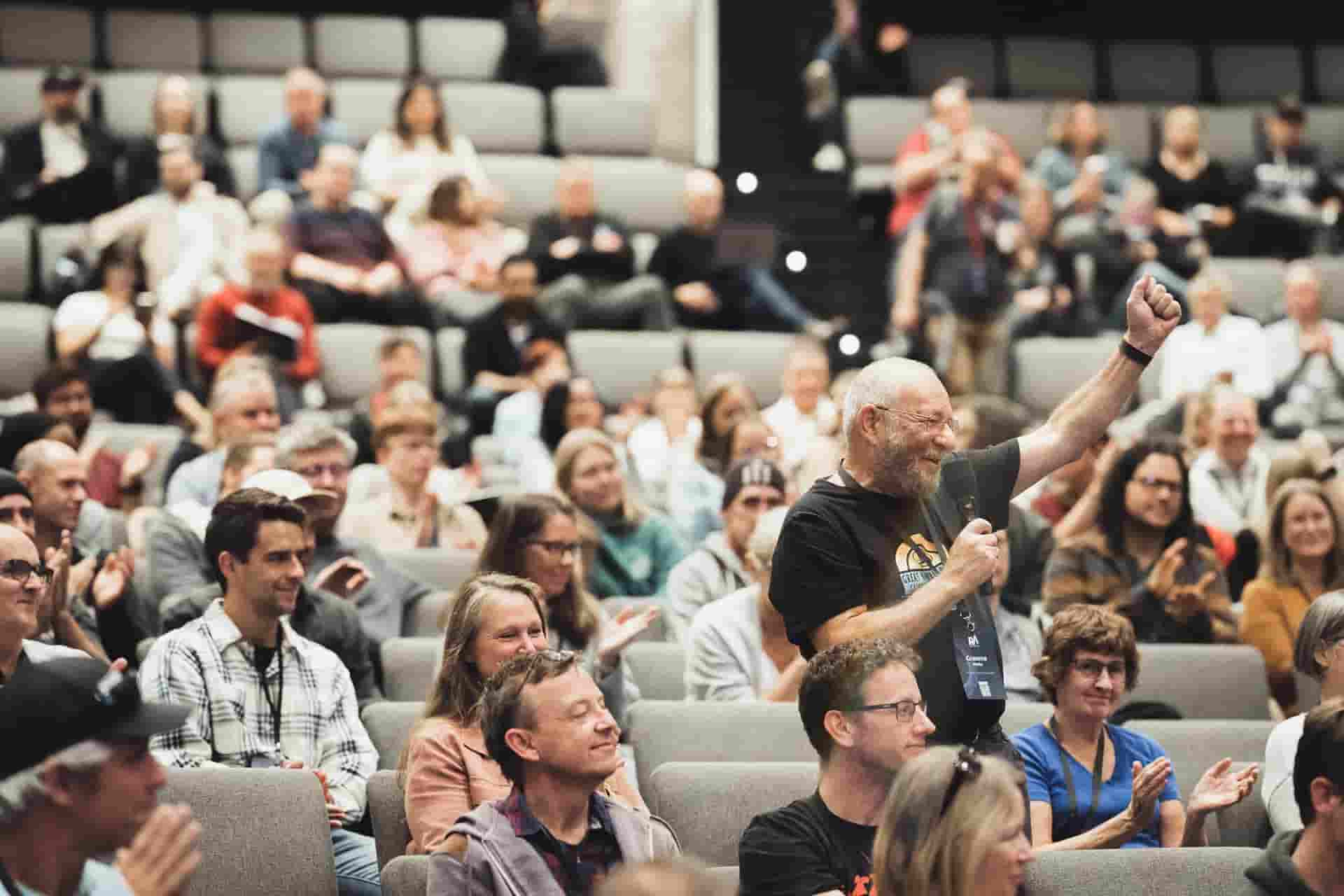
Geneva Push Coaching Director Craig Tucker speaks with Scott Sanders about his personal experiences with, and advice for, how to navigate “Church Planting Reefs”.

Among the key issues discussed are sex, money, and power, and the ways they can impact a planter’ personal growth, inhibit leadership development, cause mission drift and hamper teams.

If you enjoyed this event don’t miss out on one of our most practically oriented webinars yet:

Click once to register for ‘Big Events That Actually Build Churches’


Transcript

This transcript has been generated, and can contain errors. Please refer to the original recording for the definitive language used.

Read transcript

[0:02]
everyone welcome to today's climate session church planting reefs sex money power and the importance of gospel centered coaching brought to you by Geneva push my name is Dan Burke and I'm going to be your moderator today now throughout the webinar we encourage you to interact with our speakers you can do that by typing in questions using the questions pane on your GoToWebinar control panel we're going to be answering those questions live straight after the initial interview so make sure you get your questions in early also

[0:33]
we're recording today's webinar and we're going to make the link to the video available within 24 hours and we'll let you know via email now before we get things underway we'd really like to thank our supporters who make these webinars possible christian super they're one of the driving forces behind geneva pushes planner sessions now if you have an arranged superannuation for your church plan yet we strongly recommend you start with a chapter christian super their employer care team can set you up can set you up to pay super contributions for your staff

[1:04]
online it's quick it's easy and best of all it's super that invested biblically in line with your christian values for more go to christian super calm a you now also making things happen with the plan of sessions of a team at EA insurance if you haven't sorted out the insurance side of church planning yet then we recommend you start with a chat with e8e a can help you sort out everything from public liability to building property and contents insurance as well as yet let you know about the issues you haven't even thought of yet go to e a org dot a you okay now let's

[1:39]
get on to our host our host today is executive director of geneva push Scott standards Scott Sanders I'm about to hold a hand over to you so you can introduce us to our guests and get this conversation started over to use over to you Scott thanks Ben yeah it's great to be here at the first of our planner sessions for 2015 and it's a it's a great topic that we think about today church planning roofs it's something that we don't often like to talk about and failure or the things that are going

[2:09]
to undo you in a church plan and the reasons for them and I think it's a really important topic as we kick off the year especially with in our number of church plants launching it's important to consider sometimes you know the reality of church planning and speak about some of the issues that often don't get talked about we we often only hear the good news stories and I think amidst the the reefs today we are going to get the good news as well so let me introduce Craig Tucker Craig Titus hey you can let

[2:40]
me let me tell everyone a bit about Craig Tucker Craig Tucker became a Christian as a science undergraduate and after a couple of years working in what is now called IT Kragen is wife Cathy both trained at Moore college trained at the New South Wales Presbyterian theological center now known as Christ College before becoming a Presbyterian minister in 1990 Craig and Cathy served the students in a church plant at Mount Druitt before college and during college and in completion of their training they

[3:11]
planted a church in the west of Sydney Blacktown West Presbyterian Church they were there for 11 years and then they moved after that to plan a new church in the inner west of Sydney German Presbyterian Church now Craig has been trained as a church planning coach by city-to-city he's been trained as a church planting assessor by the Presbyterian Church of America and he's currently about to embark on a PhD so brings me that brings me that with him

[3:42]
years of experience practical working alongside planters and also planted themselves it's great to have crikey at this morning I Scott thanks that's good I feel very old just as knew that long introduction well i brings with it wisdom and experience so can you tell us can you tell us a little bit about your ministry experience and i'm particularly particularly on here about your church planning experience yeah okay thanks

[4:14]
look I think I look back on if I'm honest I'll probably be involved apart from my student placement in Maryland but I was a student observing someone else to explaining and that was really interesting I guess I've been involved almost in three church plants before I went to college I was involved in a church plant thing on the northern beaches and then black town and then which remind me to talk about each of those yeah that'd be great okay okay yeah look on the Lord

[4:45]
they just say it's kind of a church plant thing I looking back on it what happened was I was involved in a Bible study group that kind of went off the grid and got disconnected from the church or was that and eventually became a house church and we called it that got to about 35 people I guess it was kind of Church playing because we didn't set out to to start a church though if I had a bit more wisdom and experience at the time I would have probably worked out

[5:16]
where I was going to go and look I am as I look back on that I think of all the things that were I'm not just wrong about what we how we went about things but also while I was motivated to do it I you talk about church plants failing and I think often we think that they fail because no one turns up or you don't make budget but I look back on it and think it was a fail because I think was all about my my ego it was about

[5:48]
being in a church where the minister didn't preach the way I want him to I just read gospel in the kingdom by Greg Iles worthy and I wasn't sure that anyone who didn't sort of pre to the good biblical theology was going to be in heaven and and so I was part of a small group of young guys who became very critical of the minister critical of things we start our own little Bible study group and eventually do their own quite separatist thing and so while it actually we saw people become Christians

[6:20]
through it people really grow people are now in full-time ministry and mission service to that house church another way it was actually for me personally I look back on that and thinking that it's a file about that I guess I went to college because I start to realize the other thing that was going on was I was totally ill-equipped theologically to live but you can get by with a teaspoon of theology for a year

[6:53]
or two and then after that you realize you know there's not much left in the sponge and so I really went to college realizing how much I needed to be more deeply equipped in the Bible and shaped by the Bible myself I was going to think well about how to be a leader and how to make a make a difference to God's kingdom um move on a black town that's right you know Liam I went to college sure what I do I ended up leaving more

[7:24]
College having connected with the Presbyterians and being kind of catapulted out to cheer to the Black Canary so I think people consider picks rock me now that's Kathy and I and we that's 1990 when we went out of Laketown that was the house we mean that photos funny if you know we look like now okay but we we went there we're basically given a new housing estate yeah that's

[7:54]
what that's kind of like me out except they're not quite the we're basically given a postcode there was nothing much there and an after church play it we were given a core group and I think that was actually a challenge because the core group was selected by Mother Church at Leila Park and by the leaders there who they were doing the best they could while I waited for someone to come on

[8:24]
the church plant and they they've sort of formed the launch team but that created some real challenges for us because the launch team already had a bit of culture that wasn't necessarily the same as the culture that we had in the history philosophy we had they had already in in the absence of having a planet I developed very clear leaders and so it was difficult to come in and be the leader of that group and often and a number of things were really kind

[8:56]
of quite difficult about the way that they got set up but it was really good to us than the list and we were there for 11 years we met in a you know lounge room in that house you just saw we went to a small school hall to a bigger school hall we saw a lot of people yeah come to know Jesus lots of ups and downs in Greece and enjoy seeing in people's lives but we have a great 11 years there we pass the baton on and moved on from

[9:28]
there that church is still it's now had another pastor and now not a pastor since then and we could say the black town yeah yeah yeah so quite I'm wondering I did you did you feel equipped you know as you were moving to black town did you feel like the three years at college or four years at at PTC were you feeling far more equipped you know at the start of that as opposed to the other house the house Church at the Northern Beaches yeah okay yeah look in

[10:01]
some ways Theological College it really equipped me well because the big thing had given me was just a good grasp of the Bible a good general theology so that when we sat down with a blank piece of paper and said well how are we going to reach people for Jesus in this area what will church look like what what we do in terms of evangelism one of the things that are really important to keep those key priorities in plenty of church

[10:32]
it was great to go to go back to the Bible and fear clearly about those kind of things and we did that a lot with our launch team we worked our way from 1 Thessalonians and we took 4 months to do that thing about pulling other bits of the Bible thinking about that to him in many ways I think the best preparation from being a church planner absolutely essential part of preparation is to instead have a good rest of the Bible has some tools in in reading and

[11:02]
understandable having have a good theological framework or hygiene in other ways we were really we were really ill equipped we've been married a year and a half and still work me out having married we although we've done a year and a half in Mount Druitt as a student in a church plant I think we really didn't understand the area were moving to but but I think I thought I did yep and there was you know no one

[11:33]
had really written the books on church planning back then so I think I had Eddie Gibbs I believe in church growth never the only book on my bookshelf that resemble the church planning walk at that stage and the decennial resources and such material we just we were just you know you know family we own a dark bumping you know furniture a lot of time making a lot of I think rocky areas that no guys have done a little bit of

[12:03]
reading a little bit thinking about church planning and we have a coach would probably avoid a lot of those kind of mistakes yep so you spoke about the conflict amongst the core team a network that was to do with you know or I guess having an established idea of where they were going or you being established as leaders in a team who would obviously saw that you know here's what we're for you open up the Bible with him you obviously work through your vision for the plant and tried to get them on board mmm you know how did you deal with the

[12:35]
conflict how did you deal with it as you know nearly married to Kathy you know moving to a new area how did you feel where you're feeling you know isolated lonely and and I guess what was his solution you know to both us yeah you know I think I think the first thing was that having having this set up we went to make that things move slower and that was the big thing it took longer to get

[13:06]
to all the milestones we need to get to particular to to launch and even we launched still with you know some things not clarified and and really not being on the same page and so Lisa tell you on some things we should have been oh yeah there was some conflict with that it was definitely a lot of loneliness with that we we we in the in the end had some great friends in that church and even that launch team but we didn't necessarily over connected with

[13:37]
each other we didn't necessarily have a connection yeah one of the things was really helpful didn't have a coach and I really wish I had the thing that really I think helped us survive wise I connected up with two guys I went through college with Radle there and Steve Gooch and one or two other guys came in went in that kind of forward the quorum a group that met into ten years every fortnight – there we are know what the hats are about must mean someone's birthday but done it's in our

[14:09]
kitchen are we on the the guys met fortnightly to pray – we particularly wanted to work on our preaching and I think you know preaching clearly preaching in a way that's helpful people preaching faithfully has to be part of a church plant or you're really probably growing something that's not really worth growing we really wanted to work on it out preaching together and so every fortnight we've done we play the

[14:40]
tape on one of our talks and yeah that's right we actually do have a cassette tape that we play we rather take on a talk the other two guys would give feedback on that means we encourage we challenge and we talk about we're all all new starting out of different contexts Rae was church planning as well and we talked about some of those challenges and and how that move sometimes we didn't really have much wisdom as a group but it was just worthwhile to have someone else who was going to leave with you doing and

[15:11]
pray with you and other times we actually it was really the opportunity to connect say look like here's someone you could talk to about that issue or you know here's a here's a resource to go to and so it wasn't like we were that we had a lot of wisdom our circles but it was a place to start and for those things you know I think I think that really kept us and kept me in full-time history at all and kid insurance planning it probably kept us married yep yes I was one I was

[15:48]
wondering as well so Kathy obviously found you know it helpful catching up with with Rhys Wharf sandy and and studies worth as well that was that was a helpful part you know as well as you probably had kids together and and shared your struggles and enjoys there and also you know I guess is it good to have that that group that's outside of your core group so you can complain laugh cry you know grieve all those things yeah all those things a whole lot more yeah look I think you definitely

[16:20]
need to particularly insurance planning you need someone who's outside of your your church plan and probably even outside your your immediate you know large command you know not someone in the mother turrets that kind of thing maybe even not in your denomination yep you need time where you can really be honest about what's working and and what what are your frustrations I think much tougher for Kathy because

[16:51]
all the girls had all of all of the for the guys all of us we had young families and just the nature of how things worked it was harder for the girls so I think had he felt she felt that one there's no isolation of whole lot more than I do and one of the things I'm really dude if I could get in the car machine to really think about that and how do you how to catch up yep but before we move on to

[17:25]
Des Moines you mentioned as well just the you've the one resource that you had the one book we got to read today I just said there you know there's hundreds of books is hundreds of methodologies yeah there's loads of different ways to plan a church and there seems to be a new book always about hey you know I planted a successful church here here's my you know five processes three process whatever do you think for you know today's church planter there you know the it's perhaps a little you know there's a difficulty in front of work

[17:56]
through what is my philosophy ministry what is my methodology and then how do I continue to steer that course when you know it's now 2015 and there's a new book and this is the way to reach people the best this is a way to do Church church best so the last you know two years have been you know we need to change we need to do things differently you think how do you wrestle with having I guess now import and then having too many imports you know is there a resources or a book that maybe you could

[18:27]
recommend yeah look look looks throwing that question out is there a resource or a book that you could recommend is there some advice on I guess dealing with all that you know all that input that you know is out there near because I got the web I think that's a that's a really great question tonight the church the guys to explain today have completely obviously the issue of there are too many associates got there are too many resources there's too much material there you could spend your week reading blogs on about church

[19:00]
and I seen so a couple of like the sunrise that actually is a problem that they think this is lots of information out there that really got get on top of a whole lot of it and I think I would really I think a real danger there is to is to spend too long thinking about that I mean I think is to God to kind of guys out there there's a guy whose nothing enough about it the guys think too much about it really yep there's a danger in thinking and reading too much of thing you've got to read every new book that

[19:31]
comes out and what not only let take all your time but you'll inevitably your the will keep lurching from one one tack to the other as you think I know we did you know the big thing we've got to do is what's this latest book telling me and I think I see that as well the guys in changing their vision with every every new book that comes now if I'd really I'd really encourage church planners to actually go back to the scriptures and speak

[20:02]
time to pass your epistles and think about what are the what are the really core principles there I see some guys and I'm not knocking any of these things I see some guys spinning so I'm thinking about cultural engagement and reaching their community and the set up of how they do church to the neglect of clear

[20:32]
teaching of the Bible and clear and working on being preachers who bring the gospel to be a clearly and faithfully in the lives of the people who are turning up whether they're believers unbelievers somewhere in the middle and preaching clearly in the will and teaching the world I see guys really neglecting their preaching and I worry about what that means for the kind of church is their plan or whether those trips more plan oh

[21:03]
yeah in the light of that I hesitate to recommend anything but I think I would with with some a couple of reservations or any book I think that I would recommend senator it's by Tim Keller as a book that actually I think wants to emphasize that the gospel needs to be at the center of your your vision and your teaching and other things I think the problem of the book like Senator cheese like a lot of books if you look at that and think well here are all the things I have to do in my church plant you know

[21:36]
we've got to think about Merson ministers we've got to think about you know engage in cultural engagement we've got a theme of all these things you you can't think about all those things all the time and I think church plants church planters would be really better off saying let's focus on doing a couple of things well because we can't do everything and in time you know you can worry about other things and catch things up but you can't when you start

[22:06]
doing everything all at once yep yep great yeah did you come or books or look them I'll start Rick I'll start recommending probably yeah depends on where guys are out and what they're up to it's a really old book me out and so it's probably say my age but while shallow wrote a book called forty four questions for church planters and I'd get the book just for the questions I

[22:37]
think he's dances are a generation out-of-date yeah but I think he asks here's some really good questions for church planners and and so here's some advice advice is definitely dated but if you wanted to yeah but with a solid framework I mean that's yep yep and I century sensory questions – yeah – Geneva push as well so Scott Scott s at

[23:08]
Geneva push calm I'm more than happy to I really want to I want to move on to you your time at German because you've now done a house church you've now planted black town west say so you really you really should know what you're doing so the third time you come around a plant you're not gonna make any mistakes this is going to be the you know the dream run what are you different what did you do the same have you worked it all out now the earth des moines yeah thanks for that yeah thanks for merely answers yeah now

[23:39]
some of the mistakes on you I made a black tail and it's made all over again which is really weird it just shows you know sometimes I've got a yeah I've gotta make a mistake four or five times before I guess for those people who may be out so I've seen him just to clarify black towns in the outer Western Sydney it's a lower socioeconomic groups so when particularly when we were there we treat actually men to the southern side which at the time was the summer with the lowest socio-economic low

[24:10]
socioeconomic suburb in Sydney our thinking is Jeff Wales so it was very as Housing Commission lots of people with financial issues disabilities long-term unemployed great assertive gospel really make a difference in the lives of people that context when we move to draw mind that's much closer to the city it's a it was area when we moved 15 years ago in

[24:41]
transition from being rundown suburb full of elderly people to being a place where young professionals when they were meeting droves so 15 years we were there the public school went from about to close to being bigger than it was in the nineteen fifties and Amanda Buhl's everywhere we considered things with people in the thirties and forties it was certainly much more much higher

[25:12]
socioeconomic Lee and I think the thing that was really important for me to think through was a lots of things that were a part of our strategy in a black town context needed to change and you can't just take what works in a church in one part of a city and think that it's gonna work in another part of the city and I was I was conscious of that and we we started out quite differently but I realized that even still I

[25:44]
underestimated and along the way I discovered it and I guess continue to learn about how the culture was different how the context that was quite different and how that really need to shape how a new church well one of the things we did very differently from black town was we recruited it out our our launch team and we really wanted to do that out of out of and start a church with a launch team our evangelism so we didn't bring a team from black because

[26:18]
culturally things were quite different we we arrived and there was one other couple we knew who lived in the area who said from the planet Church in that in in the inner west of Sydney will be in up with you and it was the four of us who met the first time to pray and think about that and we I was quite happy to be slow and patient and connect with people in the area Christian non-christian start doing evangelism together and if you didn't want to be in a launch team that was

[26:48]
doing evangelism before you've got to get got Church then what I really didn't want to launch team and we lead to evangelism we we saw some people converted before we actually even began on a Sunday well my we again and I think it's really important we took our time with the process of thinking about the culture where we were working with the launch team on theological unity community on

[27:20]
how we yeah our mission philosophy the the big thing one of the things was different was and the couple of times we surveyed the congregation that the average person in the congregation had to point to tertiary degrees which means for every plumber in the congregation we had a couple of them there was someone who had three or four degrees so as a highly educated congregation the kind of people we were doing evangelism which were again highly educated and and were

[27:53]
terrified that that becoming a Christian was going to mean giving up on their academic credibility arguing that you know throwing their brains way to kind of believe something that intelligent educated people wouldn't believe it's a relative came in and was quite different from Blacktown kind of my preaching needed to be about the Apollo yeah a certain kind of apologetics about Christianity it's it's philosophical and

[28:25]
an academic coherence yep so those kind of things were really important people the readers and wanted to read and so moving from a non walk culture in black town with a lot of evangelism was simply Christian already read through Luke's Gospel and with people and and they need that up they don't see all sorts of things I remember the time I did really struck

[28:55]
me I'm in a different place now I'm administering a different context I Rachel looks gospel with a cup young couple she was an English grad with honors from the University you know burn they they read like she'd actually written a book that had been in the top at the time is in the top 10 best sellers in the Sydney Morning Herald book list and I gave her I said look he's a New Testament we read Luke's Gospel together and she said ah does that mean there's an Old Testament

[29:27]
and she was making a joke and I kind of thought wow he's someone who's really will read reads a lot he's well educated he's so far from having a familiarity with Bible no it was some it kind of made me realize those two things part of the context women and that's shaped along the way we did ministering quite differently there and was really important not just to do things the way I could talk more about that but I guess

[29:59]
that's not one out you know I'm very keen to I mean one of the one of their landlines are one of the the roofs that I think church points fall into is you know in terms of the corporate evangelism in terms of the church evangelizing is that once you get that launch day you know there's lots of work prior to actually launching and publicly you know telling everyone about the church once you get to that date kind of evangelism in trials off how you know how did you how did you ensure that you

[30:29]
know the DNA that you were doing that you're personally evangelizing how do you ensure that you continue to keep that up as church got busier and more complex how did you also look that day and I logged in for the life of you know turmoil yeah that's that's I'm not sure we always did that well and as a church got bigger I found it harder to maintain that culture but I think step the way you start really changes the way you begin because you know just if you have a launch team who really are excited

[31:02]
about evangelism and they're committed to personal evangelism themselves because give you if you were and you weren't bringing if you had you know bringing people to a dialogue meeting doing something about holistic li sharing the gospel in some contexts that we could pray that we really didn't feel group and we actually had a cable dropped off our launch team because they thought I I really wanted to go they thought oh this new tunics might be a slightly better show than the church I currently go to

[31:33]
and so they came for that reason so I think if your launch team have that DNA they will for years to come the key people in your congregation who are infecting others with that so it's not just up to you and I think that's really important I don't think I have anything brilliant decided and that just accept that we kept talking about that and never assuming it it was always part of the vision that we talked about I was always ensuring that I was doing

[32:03]
personal evangelism of myself and I would talk about preaching in other contexts at the front I was not sharing lots of personal details of people's lives but talking about the fact that I was doing that when I found hard about that and even even the issues of realizing how to do it in a different kind of context and say you know just saying you know I guess traditionally how churches think about evangelism is life peace but in a context like ask these things are going

[32:34]
to be important yeah and just talking opportunities like you know major events in the news a tsunami in Japan say how's this going to play out for work at work and work on Monday for you house what's the Christian should you say and should would you say and trying to figure head on those kinds of issues yeah so doing it myself talking about it keeping up front or really important the

[33:05]
other thing that I did which I think was was really important from a mister a comment of black town was I didn't just met my launch team really really carefully but I actually continued to vet people who for the next 2-3 years extremely closely like the experience of black town was we start out with a launch team we're not everyone was on the same page and the goal was young and out of college and thinking I don't know would be no this

[33:35]
is gonna work anyone who came along I was just like a puppy dog wagging style of happiness I was welcomed as anything to be there and I caught some difficulties for us as people came to us particularly Christians from other churches where they left with issues and I always thought I'd listen to their story of how terrible the last church was and say to myself inside of them will be different you'll love it here we're not going to be a church like that you know I'm not a minister like that

[34:07]
and welcomed them with open arms to realize that you know over time a lot of the issues they've brought they had at the last church they they brought to our church and they left us to go to other places whether the same thing happened again the common denominator every client was named yeah yeah so Ed's remind and the the rhetoric was it's great for you to visit church here with us I'm glad you've come today and you're so-and-so's friend he's invited you

[34:37]
that's really good hang around for a few weeks and if you want to join us we'll need to meet up and have coffee and talk about what church is like here and why it's different from other places you might have been yep and I would really I met in the first three years I met one-to-one had that one off early meeting with everyone who came to personally say look you know we were Church committed to evangelism we

[35:09]
committed to here's a hero our values and we're different from other churches in these ways you might be part of and you really won't work out if you're not really on the board values the other thing I'd asked with if they were a Christian and they've been another Church whether they moved into the area or where they come already in the area and come from maturities why they've left hand a left will and some people where I said look I don't think that's a good enough reason to break fellowship at your last Church and

[35:41]
you're not welcome here until you don't resolve those issues with the links to the church you've been part of and look when you say that to people some people don't come back actually what they do is they go back and talk to the leadership here and they resolve things and stay there and that's a good option some of them don't come back and you find out later on they've gone to a different church again we know and asked so many have questions and they're happy there and the really hard one was people whose people who said our thanks for letting me know that and

[36:12]
they'll just come next Sunday and they keep coming to your public meeting even though you've told them they're not welcome back but we we turned away a lot of people and I think that one of the real problems for church plants especially in the city context is you will attract all sorts of people who number one have big issues and they're leaving the church they're out because they've been passed over for leadership possibly for good reasons and they think

[36:44]
this new church plan is a place where they can come and get involved in leadership on the ground floor there they bring with them all sorts to pass through particular pastoral issues or they're just people who think this show might be slightly more exciting than the start in part off and they come with that quite a consumer mentality and away a lot of people in our first couple of years and we grew quicker I think I don't know but I think all things being

[37:17]
equal we grow quicker because we said right know lots of people well that was the real thing I really definitely one of the real things things we do differently a black town with you maturing but also reflecting on your on your experience I think you know one of the key you know the key competencies of the church planners that they forward thinking they're always looking for which often means that you don't look

[37:47]
back and you know and you don't reflect no I think you know it's it's it's it's helpful to hear you obviously you know someone who is looking forward and thinking here's where we want to be but also is reflecting in the in the now so you know I think you know a way of you know why avoiding that reach is to is to is to regular sort of take time away yourself to daily weekly monthly and maybe annually to to stop think reflect on

[38:18]
what's happening yeah I want to keep pressing into a number of other areas so money money's often a great area of conflict I want you to talk about I want you to reflect on on how you talk about money I'm in the church client but before you do that personal you've moved from black town lower socio Norma socio-economic area to join how did how did you deal with I guess the you know the reality confronting you that you know most people in corporations probably earning two or three times more

[38:49]
than you how did you deal with speaking to your kids about you know moving from an area where they'll you know I'll probably bet you know in a family that had more money and now they're moving in the context where they're in a family where they have you know less money comparatively to the area how did you just deal with your own you know as a husband I feel really you know really acutely I want to provide for my family I want to provide for my family well how did you deal with without really because my understanding is when you watch other more you only work you won't even employed full-time you're unemployed do

[39:21]
half that week and you took a job at and Bunnings part-time just to sort of pilot yeah yeah yeah let's get one you know yes we and that was exactly as you said we moved from black tea and we're we're we're in probably the we weren't the top but we were in definitely the well in the top half of where the congregation was at socioeconomically and yeah definitely in the in the you know maybe the top 15% in the area with him and he moved to Des Moines where

[39:51]
suddenly I suspect almost everyone even Aidid even if I was a fault when I was full time in ministry even when we when we when we moved there we knew we were moving to start something again we knew we could have brought a team with us from black town we could have probably drew on people we knew and brought a team with us from different parts of Sydney and I've done it full-time to start with but I really wanted that

[40:22]
commitment to to generate a large team from evangelism in context we we started part-time you at first it was two days a week and yeah for a short time I lived at Bunnings look anyone who knows me it's just I don't know money in a power tool from another or had it I could just about screwing this maybe I'm just not the handyman guy and today it was hilarious my friends on so funny I was bleeding stop David Bunnings I worked it

[40:53]
for a short period and I've got another job working for a parachurch organization a couple of days a week and that was a benefit for my skills in and did that while we while we transplanted was probably I think I was only at the start year four days I wasn't on a we actually would be dropping pay together cause it's too far time so it's key Pete's got a really helpful question I think he asks what practical things have you done or did you do then

[41:23]
to reduce financial pressure upon yourself as a church planner so I assume the overseas holiday was off that year yeah what did you do practically to reduce that financial pressure yeah it's a great question again anyone who knows me wouldn't come to me for the financial advice as I think about that we we resisted the temptation of a second car we downsized our car we yeah we worked

[41:55]
really differently of what we did on days off so with kids young kids you can spend a lot of money doing staffers particularly moved into an area where the kid was King and you know perfect young you know a professional couple both working hours offered with only one child older parents they've got lots of disposable

[42:25]
income and the way they do parenting is just to spend lots of money on lots of experiences for their kids to have and we really had to resist that with our kids and we spent time with them we did things with them we we went to the park and kicked a ball and then came home and had peanut butter sandwiches that was a big thing for us yeah we we we ran back the holiday we we we downsize to one small car and I think we drove a little

[42:56]
less often we we we we realized very quickly some of our best friends leave the flat town Mount Druitt and we realized we couldn't afford the petrol to drive and seen them on our day off and so we we cut that back from what I think when we started almost once a fortnight to to once a month for the one to two months just just for that financial necessity look at all ago but I think there were the the key things we did we needed to talk to our kids about

[43:27]
that because that key the smart they picked up very quickly that the their friends at school were going on ski trips and had all sorts of gadgets and things that they didn't have and that was that was a big adjustment for our kids in terms of being in an area where they they hadn't noticed that the only thing before because it wasn't actually there yeah it was in the end for us and

[43:57]
both our kids you know they're 20 and 22 they say to us that this was actually an invaluable thing for them we talked to them about saying look we because we have followed Jesus and we want to leave that live lives and useful for human we we do have to have less stuff than other people at least for the short term and that's part of doing the really important thing in life of following Jesus and they were five and seven at the time and they I'm surprised they

[44:29]
didn't remember it but conversations about money and always front I plead a gospel frame it's not saying we'll look don't only work four days a week therefore we we we can't afford those things but actually trying to put that in a gospel framework and say no we're choosing to do these because there's something more important was what I think was a really important thing you talking to kids about look less money and all the other costs that come with being ministry kids yeah so so

[45:02]
yeah so moving to the new areas well did you have a fear of speaking about money again you know older and wiser you know you've you've probably learned hey what are you differently and just in terms of talking about money generally to your congregation and you know into the church church planning team how yeah Haddix talk about money yeah I think it was something I really the hard lessons I learned at Blacktown because I think it black town I week they're thinking a

[45:34]
lot of these people are really struggling financially I really can't talk about money and some of them are quite sensitive about money they it's really interesting that the downside area a really poor area in the in the eleven years we were there in that one suburb there about eight different charismatic churches that came with that crashed and burned that all had a they had a health wealth gospel at the center of what they wanted

[46:07]
to do and in the area was really interesting people were intrigued and excited by that but yeah a lot of people we we had some contact with have really been burned by that so all those things meant I was really sensitive about talking about money you know and I look back I realized over time slowly that it was actually a mistake that you you do needed the discipleship but following Jesus means lords who come every year of your life including in money not just

[46:38]
how much you give it to us but over your budgeting generally being now a man who cares for his family and cares for his wife in how he budgets his money overall but also in even with a small amount you have being generous with little as an act of faithfulness in the Christian life so I look back and think that the way I discipled people and the way I built up the congregation at Blacktown was had a real hole that

[47:12]
that didn't just mean we got less money in the bucket but actually meant that they it really if you start to talk about money you needed to say been faithful with a little you actually create that sense of people that Jesus is Lord of all of this and I didn't really live all of my life for him rather than rather than people getting the message that Christianity is a little add-on to the rest of life and nothing else needs to change much for me so I think it really helps discipleship

[47:44]
in every area to make sure you're talking about money in some way so I worked at it over the time of black town I needed to talk about money hopefully and appropriately and that was I guess helpful we moved to Des Moines where in some ways talking about money externally was easier people have massive mortgages in the inner west they'll say to you we've got we've got less less disposable income than we ever had before but in some ways they're that they're they're still they definitely

[48:14]
still need to be challenged to to give money yeah one of the things I thought about where that is we always had a practice of using a box up the back rather than pass the plane around and look I think about church planted again in most contexts in in in Australia I would still do that because look I go on holidays and the plate comes around and I find it kind of awkward I've been ambushed here what am i doing where's my wallet I haven't thought much about this and who gives

[48:46]
cash now anyway the holiday of apply it's kind of weird however the problem with using the bucket at the back which I've always done and I want to add okay form of the problem is you don't really communicate to your regular and your visitor that to follow Jesus will will cost you will we help he'll demand at meeting it's in every area of life began with shirts where they pass the plate around and you've never been to church before you you know the the

[49:20]
symbol of what they're doing says that straightaway now maybe that symbol gets undercut when the person next to you puts in four or five cent pieces but I think the symbolism of that's significant and if we if we're not going to do that I think we need to think through and maybe this is an idea but other people are more creative than me out there to think through one of the symbolic ways that we can we can deal with that and and talk about that and

[49:50]
communicate to our outsider and remind our regular that this is an important part following Jesus yes I think that's a challenge for us their current context it was interesting for me as well just just a little anecdote from when I was a student druid was an amount or lots of people would come to church and say look you know I it's really a pain having that back up the back because I keep forgetting to give I bring my money and

[50:21]
then go home with it and I don't actually give and so the leadership wrestled with it for a while they're actually very sensitive about asking people for money too much and they they had this system where they they gave everyone the envelope when I came to church and the military somewhere they said would say at the front in Taylor whatever get that envelope out and if you want to give during the next song put your money in that if you don't want to give that's okay just seal the envelope up empty and then we'll collect all the envelopes and you know now and

[50:54]
we'll see who's giving him who's not committing to that and they did that and the first week they did it my understanding is that be giving tripled and and every week after that it stayed and that much higher level and in that context is interesting no one was being forced to give us very voluntary but just helping people giving people an easy way to you actually made a big difference to their income and look if your experience playing or

[51:25]
struggling for money dreaming about the next staff member you want to put on tripling your budget is just so exciting for all the good reasons of the cycling people I think that was actually it's worth worth us thinking about how we're going back to yeah it's good I think I think you're right talk talking about money regularly from the front talking about it with people when they when they join in church talking about regularly in your corporate gathering to say that it's costly following Jesus and also we've we've got a vision we've got a mission

[51:56]
that you know that is worth worth giving to and sacrifice and for I want to move on to to film to family life and really talk about you know I guess you know you as his husband you as father but also you just put you know working working protecting your own spiritual life your own physical health what a Chris asks can you can you provide some suggestions or maybe just talk about what you've

[52:26]
done in your life to protect yourself from you know the dangers of Pride and of abusing care because a lot of a lot of church planning leaders you know Heidi people you know so you know dominance is you know is the way they they operate in that you know it's that's helpful in getting something started but it's also can be misused and abused did you protect your you know your relationship with Kathy and you know and and from the temptations that come from again

[52:56]
you know church planners they they're upfront lots they're communicate well they've got lots of lots of strengths you know that mean they're perhaps open to in a temptation and it's been you know a number of church church plant church planters and church ministers have been brought down by that as well and then even even the physical side of things you know just your own health how do you you know manage or you know all those things and then in

[53:28]
the context of a busy family family life it seems like you've got a good relationship you get with your kids now it sounds like you regularly you know talked talked to them both through the changes and and the life the life circumstances I'm sure sure you've got a lot to speak about there so I'll let you sort of yeah answer that question as su as you speak yeah yeah tell us about

[53:59]
your work what do you do in your work you know we things and then maybe in your month yeah yeah like I saw I've written down so you ask the question rest pride six and family okay yeah look I think the family thing for me is I think I like the hard way Blacktown that my family need to be my most important ministry that to succeed as a as a

[54:33]
church planner and fail as a father who disciples his children is in the end I know it's one I'd rather have your your kids and your wife are your most important ministry and to some extent if you don't if you don't minister well to them you'll have no chance of doing the other will if you if you leave if you leave the house in the morning and

[55:04]
everything's wrong with your wife knocking I don't know that other guys but I everything I do that day feels like it's a it's a difficult challenge that overwhelms me and I don't have the strength to cope with when things are going well at home I can I can walk out the door and face the challenges of ministering and whether with a calmness when outta a whole love with a whole lot of weakness that comes from the fact

[55:34]
that the relationships that matter the most working so in the periods in the days and the seasons when Kath you know I've really struggled in our marriage it really impacted just my ability to cope in ministry to to deal with challenges that I normally just sort of blink once out and tackle and feel like they were too big for me in too hard for me it would really affect my my preaching I feel I feel weak and half-hearted and

[56:08]
hypocritical more than I told me to impede my approaching so it it it makes sense very angle to see no not for the really important reasons of Jesus asked the last day it's your most important ministry and that matters to God and makinia self even thinking and actually turns playing well and there's various things so I'm really big to invest time and effort in your family you can't

[56:38]
guarantee what happens with kids you can't guarantee what will happen in your marriage you just need to be a faithful steward with with what you've got I don't really we really hit hit the wall with that in our first couple of years in Blacktown I was I I kept on thinking that the more the more hours I put in the more likely the churches to to start and the church is to grow return there's a huge mistake and when I actually stepped back and spent more time with my family more time

[57:10]
in prayer and rested more Church church actually did better which I think was God earlier a couple of reasons for that one was well does this go on teaching teaching mean that it's it's a lot of it's about you know billion the right place at the right time and God actually giving me the growth it's not about how much difficulty but I think actually I I did better as a leader well actually spending less time in

[57:42]
church leadership and more time making sure I was a leader in my family so that'll that really changed for us in the difference of life when without my kids were little it's really important to have that day off and have a day off on a Saturday with our kids with our school well that's really for them and that took me ages to sort of you know have a sermon ready by the end of Friday and Saturday off it might be preoccupied I

[58:13]
I'm not good at doing that it took me a lot of adjustment but that was really important I really really important part of what I was doing with my family um as I got all that one of the one of the downsides of ministry is you're often a shift worker you're often out at night you're often tied up on a Sunday with other families might they might still be at church but have less on them you and

[58:44]
then why not be quite exhausting at the end of church as you are lots of downsides about ministry and Families one of the upsides we worked out fairly early on my accident mother designees that you actually had more flexible time during the day and so sometimes I was the I could go up to school and and spend spend some time being one of the readers in the remedial reading class in my kids school I could go up and see

[59:15]
them at presentations and sport things our score sometimes I was the only gay bear on some occasions but yeah that was a real privilege to be able to do that so there are swings and roundabouts it's important for you to work even if there are some costs with that kids are going to old are having the day off with them is less important because they've got their own ideas about what they want to do with their day off and it's more about being be around and being

[59:46]
available at different times when when they talk and they're really investing time at the time that's going to work for them not necessarily time it's going to work for you I'll leave on the tamales yeah they'll be good yeah what what about what the importance of holidays rest yeah look yeah again I think that first couple of years that black town where we really weird clothes too not just cashing it in on the church play

[1:00:16]
catching on ministry all together was all about me not managing mounting reps well at that time putting them to me I was thinking that more hours and equals more successful ministry yeah and as I said earlier really I I learned I learned through that that I needed to rest more I needed to talk to my congregation about the fact that I needed rest so I will be more cranky

[1:00:50]
with you I will be more I'll be less creative I'll be more negative about your good ideas your life will be a misery if I don't get my day off and sometimes I need to explain that the person who really felt like they had to meet with me at least a and and said is that constant aging process with with my congregation but I think I was always when I talked about the people about that preaching it to myself and

[1:01:21]
reminding myself about it and the importance of read so we you know or yeah they offer now keep them a little really focused away about kids as they got older it was different the Kathy bond also Kathy's that he works part-time as always been busy with things but you know I join we realized we need to set good patterns for making

[1:01:51]
sure we had time together that wasn't just with the kids so we we said we're gonna do Friday lunch together every week and we actually said we had to at the same restaurant every week so we have been fifteen that's I can give that where we got a go today we're going to go there have lunch we're talking about how the week's been how we're going and have that time and I think with about half a dozen exceptions apart

[1:02:22]
from when we were on holidays or I was away from home we did that every every Friday for 15 years and that was it sounds simple and almost trivial but it was really really important for us yeah the main threat to that lunch not happening well it was partly my juice or you know you know what's going to happen is about 1225 before I'm doing this it'll walk out that door with Cathy at

[1:02:53]
12:30 and go across the road to the restaurant someone's going to ring with a major crisis some emails gonna arrive that drops the bottom out of everything on Sunday it always had seems to happen at that time at Friday and had to work really hard to say there is there is virtually nothing you know barring an earthquake there is virtually nothing that is so important that it can't wait for this to happen I had text to say that people were in hospital all sorts of things

[1:03:26]
the finished lunch was over I raced to go do but there's very little that can't wait now so we really worked hard doing that the other thing that really worked against us doing that was it wasn't always fun cuz I think Cathy would she'd say that all the things that were annoying her and all the dumb things that I'd said and her frustrations because she knew she was going to get me for an hour at that lunch time and so there were certainly periods where I thought that's what why am I doing this

[1:03:58]
because it's just to me how I get leads and but it was actually really important because Cathy knew there needed to be any hours she could do that because of all the dumb things I was doing and really hear those things I understand them and start to apologize for them and so I'm not saying that don't think of it as a romantic you know warm and fuzzy hour but you need to actually have that time we can make them talk about what's not working it's not just what he's

[1:04:28]
working so there are other things you put in place you know you spoke about catching up with friends to talk about preaching but did that also become an accountability group where you had someone asking you hard questions about yeah but your thought life about the things that you're viewing you know are you a comment a nice person yeah what are the what are the other accountability structures he had in place yeah sure no um that's helpful look I

[1:04:59]
have mixed feelings and accountability in the end your accountability group is only as good as your truthfulness yep and if you actually talk with guys or in accountability groups who are honest with you most of them admit they've actually lie and accountability groups they they say they read they say there is things an accountability group is only as good as you want it to be and I think people think I'll have this group

[1:05:30]
it will make me accountable and there can be a real a real de self-deception with that and a lot of yeah a lot of guys I know have gone off the males have had some kind of a formal accountability but they've not actually made use of it so I would say the most important thing you've got to do is is work out that these things matter to work out that sin in your life and the temptations that

[1:06:02]
you're playing around with and cultivating and let it letting tape rue it are actually going to do you and those around you grating it's going to stuff your relationship with God in relationship with all the people in your life it's going to stuff you and if you don't keep preaching that to yourself anybody that grew up with guys where you remind each other of that if all accountabilities of

[1:06:33]
weakness stating so I always get get covered in eyes on your computer because it will make it that much be that it more difficult for you to look at pornography but if you're really want other pornography you'll find a way well you need to keep dealing with it's not just your circumstances that your heart and keep keep preaching that to yourself and reminding yourself of that so I found that the peer group I had with Ryan and Steve in those eleven is

[1:07:03]
really helpful for that in the timer at Des Moines I tried a number of things that actually backfired I tried to start the same kind of group with two other guys in our area and look for that reason or another I think I was trying to create something with the head chemistry with a particular set of personalities that didn't work in the next in the next context with some different guys I tried it in a couple of times it didn't work I've settled now what I've settled on is having two or three guys who I catch up with regularly

[1:07:38]
and we talked about how we're going we confess sins we pray for each other and and we do that I wouldn't call it an accountability group I think I think it's actually friendship and friendship is the great any antidote for the isolation that that often leads to guys stuffing up with we see them and really really flaming out it's a it's a

[1:08:09]
friendship bringing those someone's community you rather than a formal accountability thing if I can make it might be seeing the slim distinctions I think that's right well um cry really really appreciate your honesty this morning I feel like we could probably talk for another hour about all your mistakes and and the things here phone from them yet it's been really helpful I just wanted to draw people's attention to a number of a number of resources that are out there and heal will make

[1:08:39]
attention to those as we send out a couple of great great book so helpful just do everything again raising questions and helping you think through some of the solutions ten most common mistakes made by new church starts Jim Griffith and Billy 'some one of the one of the chapters that I like to send out to planters are other premature launch so launching to too quickly I encourage you to yes as Craig said this morning workout at mission and evangelism and you know don't be so quick to to publicly launched and then

[1:09:09]
evangelism ceasing after launch so just thinking how do we keep mission on the agenda how do we keep that momentum building the next book is a book by a guy called Tom kneeble and it's called church planting landmines chess-playing landmines again some helpful things just to to to dip into and to think about you know we didn't get a chance to talk about leadership development but that's something that is one to be thinking about you know from from the start how do I develop leaders knowing that I'm gonna have a church that the grows and

[1:09:40]
he's going to need leadership the final resource is is a paper that all will make available as well that was post a few produced a few years ago by Ed Stetzer and he looks at seven here seven seven areas where church planners often often struggles they you know we've touched on on many of those today I thought be good to finish off pray praying for for church leaders and asking you know asking God be at work so I might do that then I'll hand it over

[1:10:10]
to Ben who feasts the webinar for us so let's let's pray Heavenly Father thank so much love and your goodness and I think for just the opportunity of her this morning to reflect on our own personal walks with you for the chance to hear hear honestly about crying and the experience church planning yeah we pray that the fruit of our discussion this morning it might be a desire to turn to you in repentance and faith a

[1:10:40]
desire to trust and to trust you more and to walk humbly as as we we kickoff churches I want to play pray for church planners across a stroll across the world I want to pray for their wives and ask Heavenly Father that you might sustain their marriages keep them strong help them to be reflective and asking the hard questions and we pray for honesty yeah that that people might not be isolated but they might be yeah joyfully starting church is that yeah that are evangelized into existence and

[1:11:11]
reach many of the lost with a great oh Jesus we pray that for your sake and your glory I'm in in thanks Craig amen thank you very much Scott and and – Craig we've gone a little bit over time this morning everyone because Craig's had so much to share with us so many great am honest reflections theological reflections and practical experience and wisdom to give us about church planting wreaths and how to go about avoiding them we're going to

[1:11:44]
be sending you out a link in the next day or so let you know about the on-demand status of today's webinar there's so much material in today we know you're going to want to go over it again and also feel free to share it on with your friends so you'll get that email in the next 24 hours or so I also want to point you to the next webinar that's coming up coming up on the 4th of March at 9:30 a.m. and it is big events that actually build churches repeat big events that actually build churches we know you want to hear more about this is

[1:12:14]
we're going to have Toby Neil with us from vine Church in Sydney telling us about exactly what this means that there are events that will assist you actually assist you in building churches and before we finish off this morning like again to thank our sponsors firstly a insurance who continue to put their support behind the pilot sessions ei helps out hundreds of Christian and community not-for-profits with their insurance needs so as we mentioned at the start we're mentioning again if you have insurance questions the your change

[1:12:44]
plant Geneva highly recommends you get in touch with e a go to e a org a you and of course every one over a Christian super who would be who are helping out more than six thousand churches schools Christian owned businesses and not-for-profits with a superannuation needs if you have super related questions for yourself or your church clients we recommend you get in contact with Christian super so go to Christian super calm today you so on behalf of

[1:13:15]
Craig and Scott our hosts today as well as all the team at Geneva push we really hope you've enjoyed today's presentation my name is Ben Ben Ben my name is Ben mikekim that's what my name is and we hope you have a fantastic day thanks for joining us we look forward to your company again at the next webinar